অনেক কাল আগের কথা। ইব্রাহিম (আ.)-এর দেশের মানুষ পাথর আর কাঠ কেটে মূর্তি বানাত, তারপর সেগুলোর সামনেই মাথা নত করত। ইব্রাহিম (আ.) ছোটবেলা থেকেই চারপাশের জগৎ নিয়ে গভীরভাবে ভাবতেন। তিনি প্রশ্ন করতেন—যে জিনিস মানুষ নিজের হাতে বানিয়েছে, তা কীভাবে সৃষ্টিকর্তা হতে পারে? যে কথা বলতে পারে না, শুনতে পারে না, সে কীভাবে কারও উপকার করবে?
Long, long ago, the people of Ibrahim’s land carved statues out of stone and wood and then bowed down before them. From an early age, Ibrahim (AS) thought deeply about the world around him. He asked: how can something people made with their own hands be the Creator? If it cannot speak or hear, how can it help anyone?
কুরআনে আছে, রাতের আকাশে ঝিকমিক তারা, তারপর উজ্জ্বল চাঁদ, আর সকালে ঝলমলে সূর্য দেখিয়ে তিনি মানুষকে বোঝালেন—এরা সবাই একসময় ডুবে যায়, অস্ত যায়। যা অস্ত যায়, তা প্রভু হতে পারে না। প্রকৃত প্রভু তিনিই, যিনি আকাশ ও পৃথিবী সৃষ্টি করেছেন। সত্যের এই সন্ধান তাঁকে এক আল্লাহর ইবাদতে দৃঢ় করে তুলল।
The Qur’an tells how he pointed people to the twinkling stars at night, then the bright moon, and then the dazzling sun in the morning—and showed them that every one of these sets and disappears. Something that sets cannot be the Lord. The true Lord is the One who created the heavens and the earth. This search for truth made him firm in worshipping Allah alone.
তিনি নিজের পিতা ও জাতির লোকদের জিজ্ঞেস করলেন, “এই মূর্তিগুলো কী, যাদের পূজায় তোমরা লেগে আছ?” তারা বলল, তাদের বাপ-দাদাদেরও তারা এমন করতে দেখেছে। একদিন সবাই যখন বাইরে গেল, ইব্রাহিম (আ.) সবচেয়ে বড়টি ছাড়া বাকি মূর্তিগুলো ভেঙে দিলেন। লোকেরা ফিরে এসে রেগে জানতে চাইল, “এ কাজ কি তুমি করেছ?” তিনি বললেন, “বরং এদের এই বড়টিই করেছে; এদেরকেই জিজ্ঞেস করো, যদি এরা কথা বলতে পারে।” লোকেরা মনে মনে বুঝল, মূর্তিরা তো কথাই বলতে পারে না!
He asked his father and his people, “What are these statues to which you are so devoted?” They answered that they had found their forefathers worshipping them. One day, when everyone had gone out, Ibrahim broke the statues—all except the biggest one. When the people returned, they angrily demanded, “Did you do this?” He replied, “Rather, this biggest one of them did it. Ask them, if they can speak!” Deep down the people realised that the statues could not speak at all.
তবু তারা সত্য মানল না। শাস্তি দিতে তারা বিশাল আগুন জ্বালাল এবং ইব্রাহিম (আ.)-কে সেই আগুনে নিক্ষেপ করল। কিন্তু আল্লাহ আদেশ দিলেন, “হে আগুন, তুমি ইব্রাহিমের জন্য শীতল ও নিরাপদ হয়ে যাও।” আল্লাহর হুকুমে আগুন তাঁর কোনো ক্ষতি করতে পারল না। আল্লাহ তাঁকে রক্ষা করলেন।
Still, they refused to accept the truth. To punish him, they lit a huge fire and threw Ibrahim into it. But Allah commanded, “O fire, be cool and safe for Ibrahim.” By Allah’s command, the fire could not harm him. Allah protected him.
এরপর তাঁর জীবনে এল হিজরতের সময়। আল্লাহর জন্য তিনি নিজের দেশ ছেড়ে দূরে চলে গেলেন। পরে আল্লাহর নির্দেশে তিনি স্ত্রী হাজেরা ও শিশুপুত্র ইসমাইল (আ.)-কে মক্কার এক শুকনো, পাথুরে উপত্যকায় রেখে আসেন, আর তাঁদের জন্য দোয়া করেন। পানির খোঁজে হাজেরা সাফা ও মারওয়া পাহাড়ের মাঝে বারবার ছোটাছুটি করেন। তখন আল্লাহর রহমতে সেখানে জমজমের পানি উথলে ওঠে। পরিবার থেকে দূরে থাকা ছিল কঠিন, কিন্তু তাঁরা আল্লাহর ওপর ভরসা রাখলেন।
Later came the time of migration. For Allah’s sake, he left his homeland and travelled far away. Afterwards, by Allah’s command, he left his wife Hajar and their baby son Ismail (AS) in a dry, rocky valley at Makkah, and prayed for them. Searching for water, Hajar ran again and again between the hills of Safa and Marwa. Then, by Allah’s mercy, the water of Zamzam gushed up there. Being apart from family was hard, but they trusted Allah.
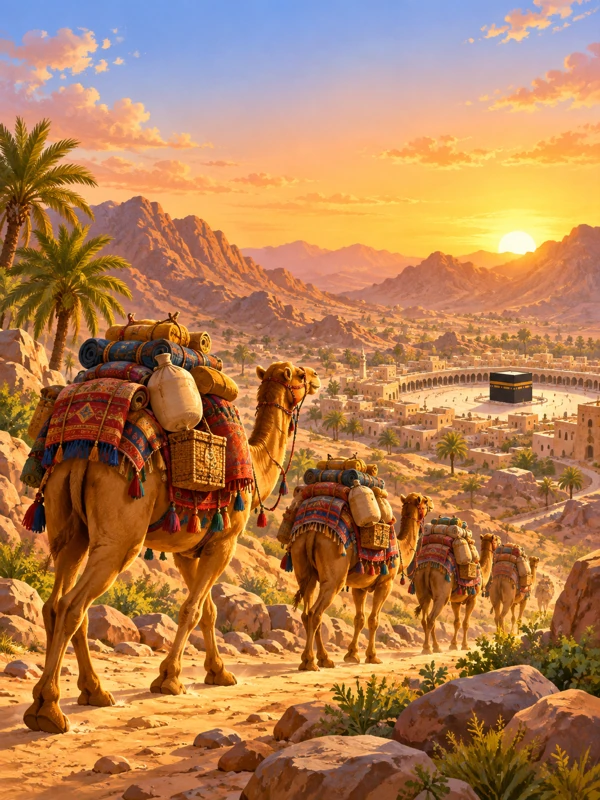
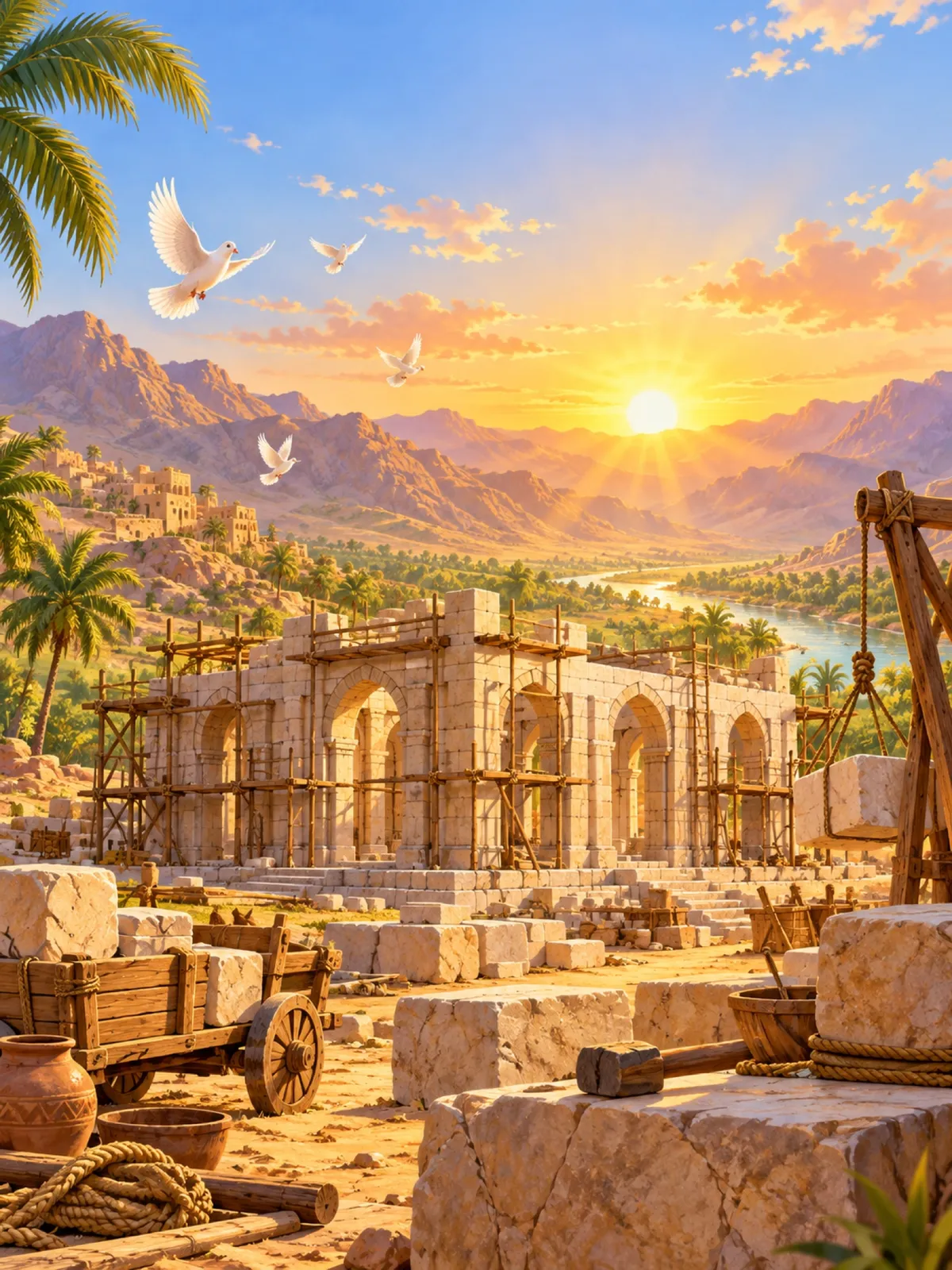
ইসমাইল (আ.) বড় হলে পিতা-পুত্র মিলে কাবাঘর নির্মাণ করেন—এটি ইব্রাহিম (আ.)-এর জীবনের আরেক গুরুত্বপূর্ণ অধ্যায়। ঠুকঠাক শব্দে পাথরের পর পাথর বসিয়ে তাঁরা আল্লাহর ইবাদতের জন্য ঘরটির ভিত্তি উঁচু করলেন। কাজের ফাঁকে দুজনেই দোয়া করছিলেন, “হে আমাদের প্রতিপালক, আমাদের এই কাজ কবুল করো। নিশ্চয়ই তুমি সব শোনো, সব জানো।”
When Ismail grew up, father and son built the Kaaba together—another important chapter in Ibrahim’s life. Tap, tap went the stones as they set them one upon another, raising the foundations of a house for the worship of Allah. As they worked, they both prayed, “Our Lord, accept this from us. You are the All-Hearing, the All-Knowing.”
এর আগে, ইসমাইল (আ.) যখন কিশোর, তখন এসেছিল কুরবানির বড় পরীক্ষা। স্বপ্নে আল্লাহর নির্দেশ পেয়ে ইব্রাহিম (আ.) ছেলেকে তা জানালেন। ইসমাইল (আ.) বললেন, “আব্বা, আপনাকে যা আদেশ করা হয়েছে, তা-ই করুন। ইনশাআল্লাহ আপনি আমাকে ধৈর্যশীলদের একজন পাবেন।” পিতা-পুত্র দুজনেই যখন আল্লাহর আদেশ মেনে নিলেন, তখন আল্লাহ ইসমাইল (আ.)-কে রক্ষা করলেন এবং তাঁর বদলে এক মহান কুরবানি দিলেন। আজও ঈদুল আজহায় মুসলমানরা এই ত্যাগ, আনুগত্য ও আস্থার কথা স্মরণ করে।
Before this, when Ismail was still a boy, the great test of sacrifice had come. Ibrahim received Allah’s command in a dream and told his son about it. Ismail said, “Father, do as you are commanded. If Allah wills, you will find me among the patient.” When both father and son had accepted Allah’s command, Allah saved Ismail and gave a great sacrifice in his place. To this day, at Eid al-Adha, Muslims remember this story of sacrifice, obedience and trust.
ইব্রাহিম (আ.)-এর জীবন আমাদের শেখায়—প্রশ্ন করা সত্য খোঁজার শুরু হতে পারে। সত্য বুঝে গেলে সাহসের সঙ্গে তা আঁকড়ে ধরা, দায়িত্ব পালন করা এবং কঠিন পরীক্ষাতেও আল্লাহর ওপর বিশ্বাস না হারানোই বড় শিক্ষা।
Ibrahim’s life teaches us that asking thoughtful questions can be the beginning of finding truth. Once we understand what is right, we need the courage to hold on to it, the sense of duty to do our part, and a faith in Allah that does not fade even in the hardest tests.
⭐ গল্পের শিক্ষাThe lesson
সত্য খুঁজতে হয়, সত্য পেলে তাতে অটল থাকতে হয়, আর আল্লাহর জন্য ত্যাগে প্রস্তুত থাকতে হয়।Seek the truth, hold firm to it, and be ready to sacrifice for Allah.
🌟 শেষ!The End! 🌟